Essays and reflections from Ecomusician ambassadors on music, sustainability, and the environment.
Jiwon Han
Performer · Bassoon
When people imagine an environmentally friendly concert, they often picture recyclable cups, paper programmes and efficient lighting. But one of the biggest parts of a live event's carbon footprint may not happen on the stage at all.
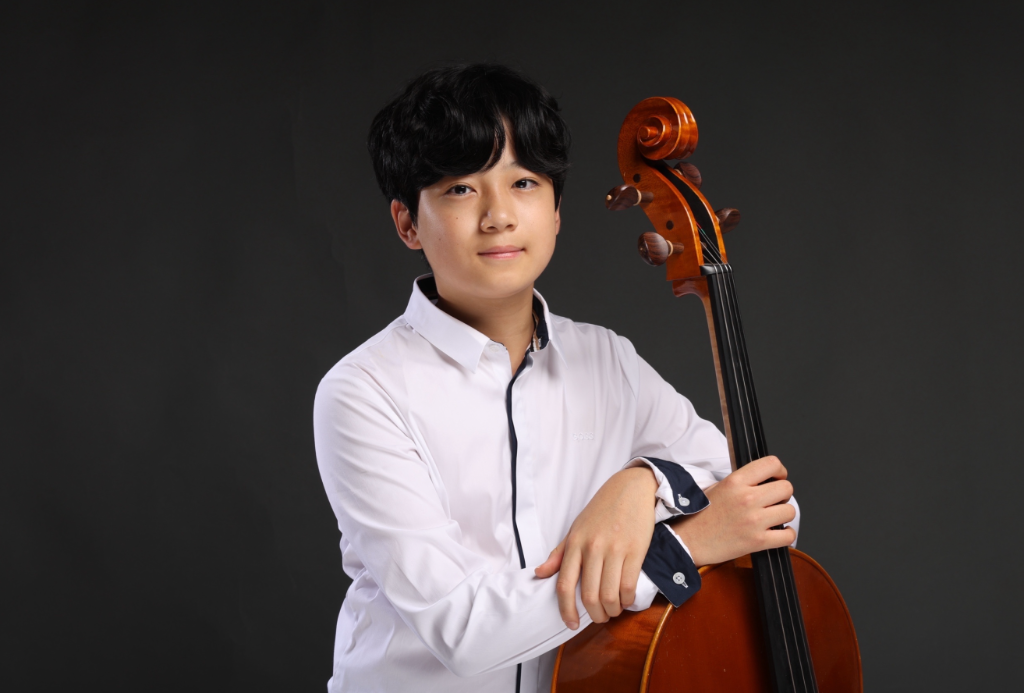
Sehyun Lee
Performer · Cello
When I go to a concert, I usually notice the lights before the music even starts. There might be lights moving across the stage, different colours flashing, and spotlights following every performer. I used to think that this was just what made a concert look professional.
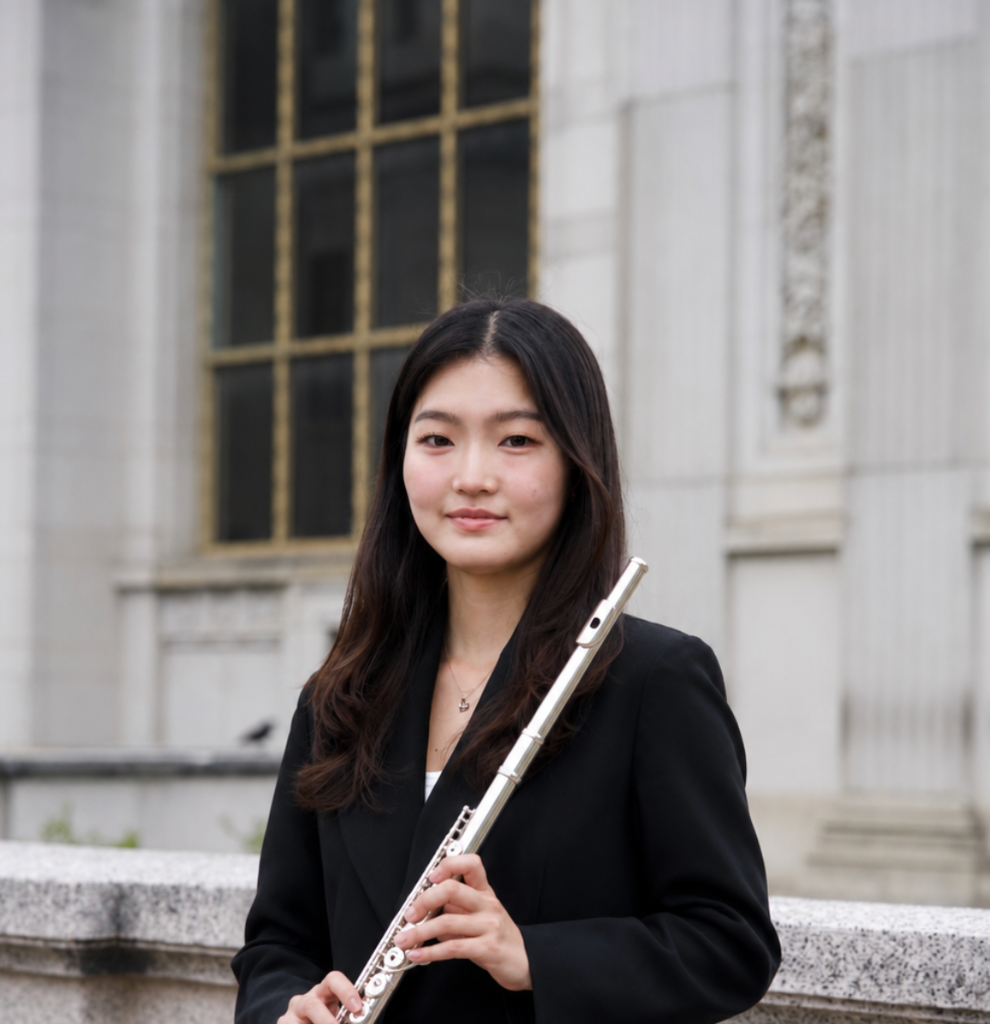
Yumin Lee
Performer · Flute
Ecological restoration is usually photographed. We see the same hillside before and after planting. We count trees. We measure canopy cover. We survey birds, insects and mammals. But a recovering ecosystem can also be heard.
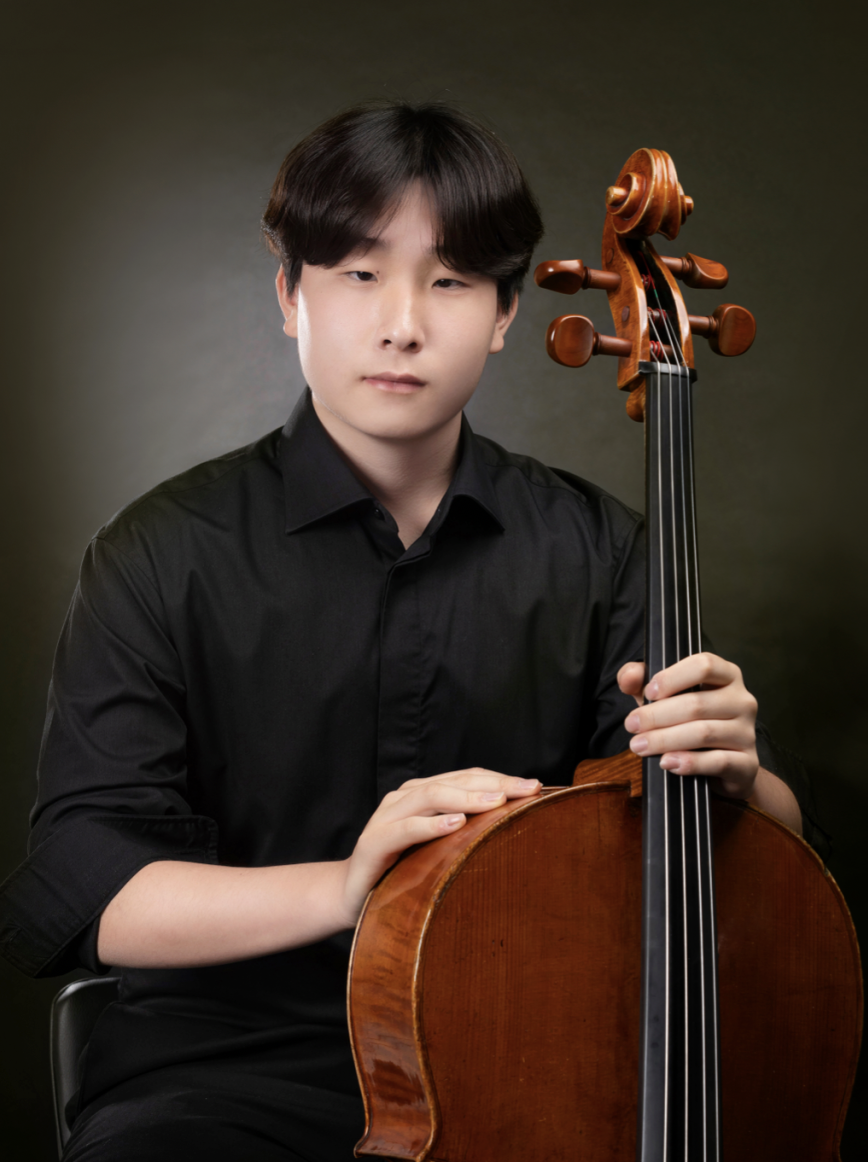
Jiho Eun
Founder & Performer · Composition & Cello
People often describe the ocean as peaceful. I understand why. From the shore, repetitive waves can feel almost hypnotic. Composers have been fascinated by the sea for centuries because it seems to offer endless musical metaphors: movement, rhythm, depth, distance, calm and violence. But underwater, the ocean is not a quiet blue space.
Min Ho Noh
Performer · Trumpet
야외 음악 축제는 장소를 상품화하는 데 능숙하다. 바다 옆 무대, 숲속 공연, 강변 페스티벌은 자연을 공연의 분위기로 적극적으로 활용한다. 홍보 사진에서 풍경은 자유, 해방감, 공동체를 상징한다.
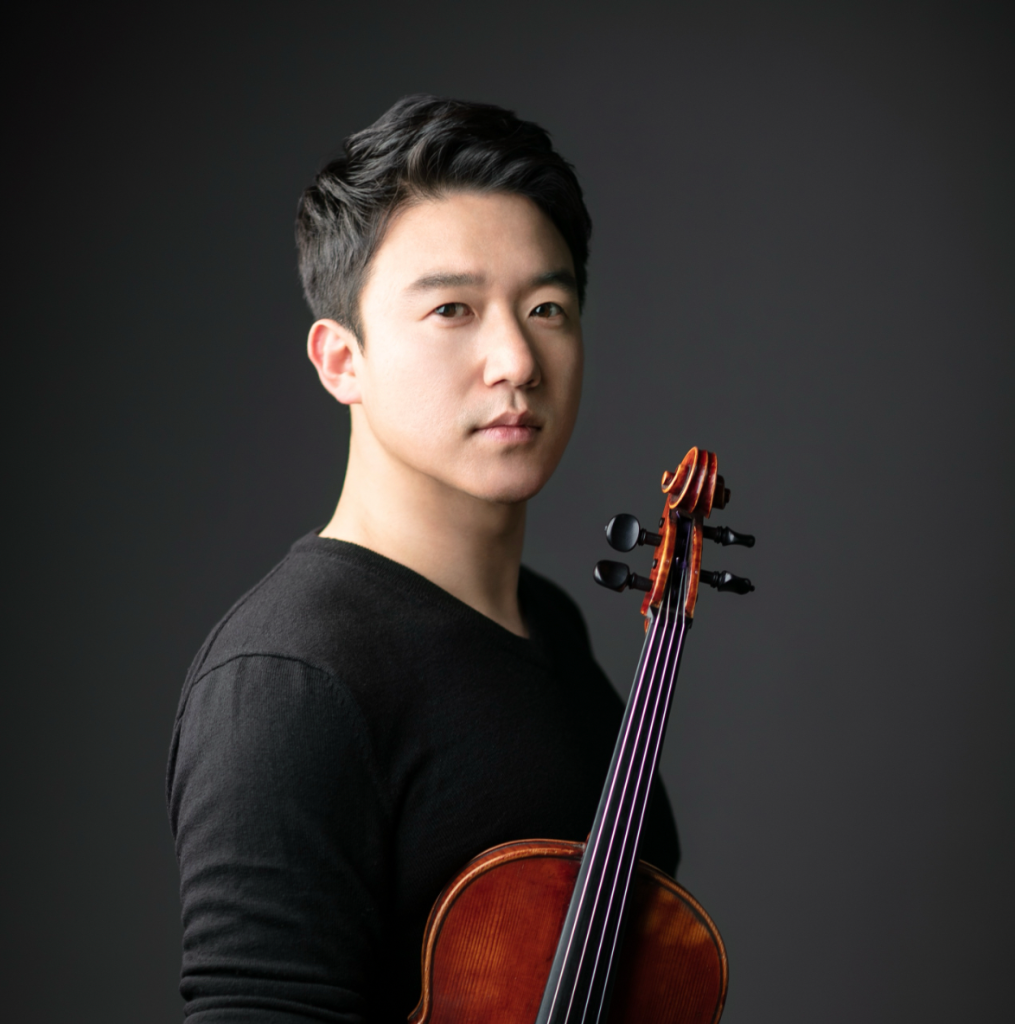
Jinhwan Kim
Performer · Viola & Conducting
Whenever somebody tells me they have written an environmental composition, I can almost predict certain sounds. Bird recordings. Wind. Water. String harmonics. Long notes. A title involving words such as earth, ocean, roots or breath.
Jung Eun Kim
지속가능한 공연에 대해 이야기하면 가장 먼저 나오는 해결책 가운데 하나가 LED 조명이다. 효율이 높은 조명 장비는 같은 밝기를 더 적은 전력으로 만들 수 있고, 열 발생도 줄일 수 있다. 그러나 나는 공연장의 지속가능성을 장비 교체 문제로만 설명하는 방식에는 조금 의문이 있다.
The music sector has become increasingly comfortable with environmental language. "Carbon neutral." "Sustainable tour." "Eco festival." "Green venue." The problem is not necessarily that these claims are false. The problem is that without understanding what has been counted, apparently comparable statements may describe completely different things.
Environmental music is often easiest to recognise when it announces itself. A composition contains recordings of melting ice. An album discusses climate anxiety. A performer gives a speech about the planet. A festival books an environmental panel.
Yuna Choi
Festival lineups are normally decided by promoters. Increasingly, another force is influencing the programme: weather. Outdoor music has always depended on environmental conditions, but climate change is altering the scale of the risk.
I have thousands of songs available on my phone. I do not own most of them. There is no shelf full of CDs in my room and I definitely do not have a warehouse somewhere storing all my playlists. So for a long time, streaming felt almost environmentally perfect to me.
The phrase "sustainable world tour" sounds almost contradictory. A major tour moves performers, technicians, instruments, stage equipment and audiences across countries and continents. Stadiums consume energy. Freight must move. Thousands of people travel to each venue. Even before considering merchandise, food and accommodation, the scale is enormous.
When I first started thinking seriously about environmental music, I was drawn to an obvious idea: record the sea, birds, wind or rain, then place those sounds inside a composition. Growing up around the ocean made this especially natural to me. The sound of water already seemed musical. It had rhythm, repetition, changes in intensity and long periods where almost nothing happened.